
Key Highlights from This Article
- Unmatched Traction on Ice and Snow: Snow chains for winter tires physically grip and penetrate icy and snow-covered road surfaces, delivering traction levels that no rubber tire compound, regardless of its cold-weather rating, can replicate, making them indispensable for loaded commercial trucks on hazardous roads.
- Legal Mandates in Many Regions: Chain control laws in states like California, Colorado, and Washington legally require commercial trucks to install tire chains for snow on designated routes and in specific weather conditions, making snow chains a regulatory necessity, not merely a preference.
- Superior Performance Under Heavy Loads: Commercial trucks carrying payloads of 40,000 to 80,000 pounds require traction solutions engineered for extreme weight. Snow chains for winter tires distribute load forces while simultaneously anchoring the tire to the road, a combination that winter tires alone cannot achieve.
- Cost-Effective, Long-Lasting Investment: A quality set of snow tire chains is significantly more affordable than a full set of commercial winter tires and can be reused for multiple seasons with proper care, delivering outstanding value for trucking fleets managing tight operating budgets.
- Part of Professional Winter Preparedness: Knowledgeable truck drivers treat snow chains for winter tires as a core professional tool, carrying them as standard equipment alongside other critical safety items, recognizing that winter road preparedness is both a legal obligation and a moral responsibility to other road users.
The Winter Road Challenge for Truckers
When temperatures plunge and highways turn into sheets of ice, professional truck drivers face some of the most dangerous driving conditions on the road. Managing a 40-ton rig across slippery mountain passes or icy interstates demands the highest level of traction and control. It is in these extreme conditions that the debate over snow chains versus traditional winter tires becomes critical. While regular motorists may turn to winter tires as their go-to cold-weather solution, the vast majority of professional truckers continue to rely on snow chains for very good reason.
- Key Highlights from This Article
- The Winter Road Challenge for Truckers
- What Are Snow Chains and How Do They Work?
- The Core Reason Truckers Prefer Snow Chains Over Winter Tires
- Comparing Snow Chains vs. Winter Tires: A Detailed Look
- When Truckers Rely on Snow Chains for Winter Tires
- The Role of Tools in Trucker Winter Preparedness
- Types of Snow Chains for Tires: What Truckers Use
- Safety and Compliance: What Every Trucker Needs to Know
- Snow Chains and Environmental Conditions: When to Use Them
- Future of Snow Chains: Innovation and Technology
- Why Snow Chains Remain the Trucker’s First Choice
Understanding why truckers overwhelmingly choose snow chains for winter tires requires a closer look at the demands of commercial trucking, the limitations of winter-grade rubber, and the practical realities of operating heavy-duty vehicles through the harshest winter conditions imaginable.
What Are Snow Chains and How Do They Work?
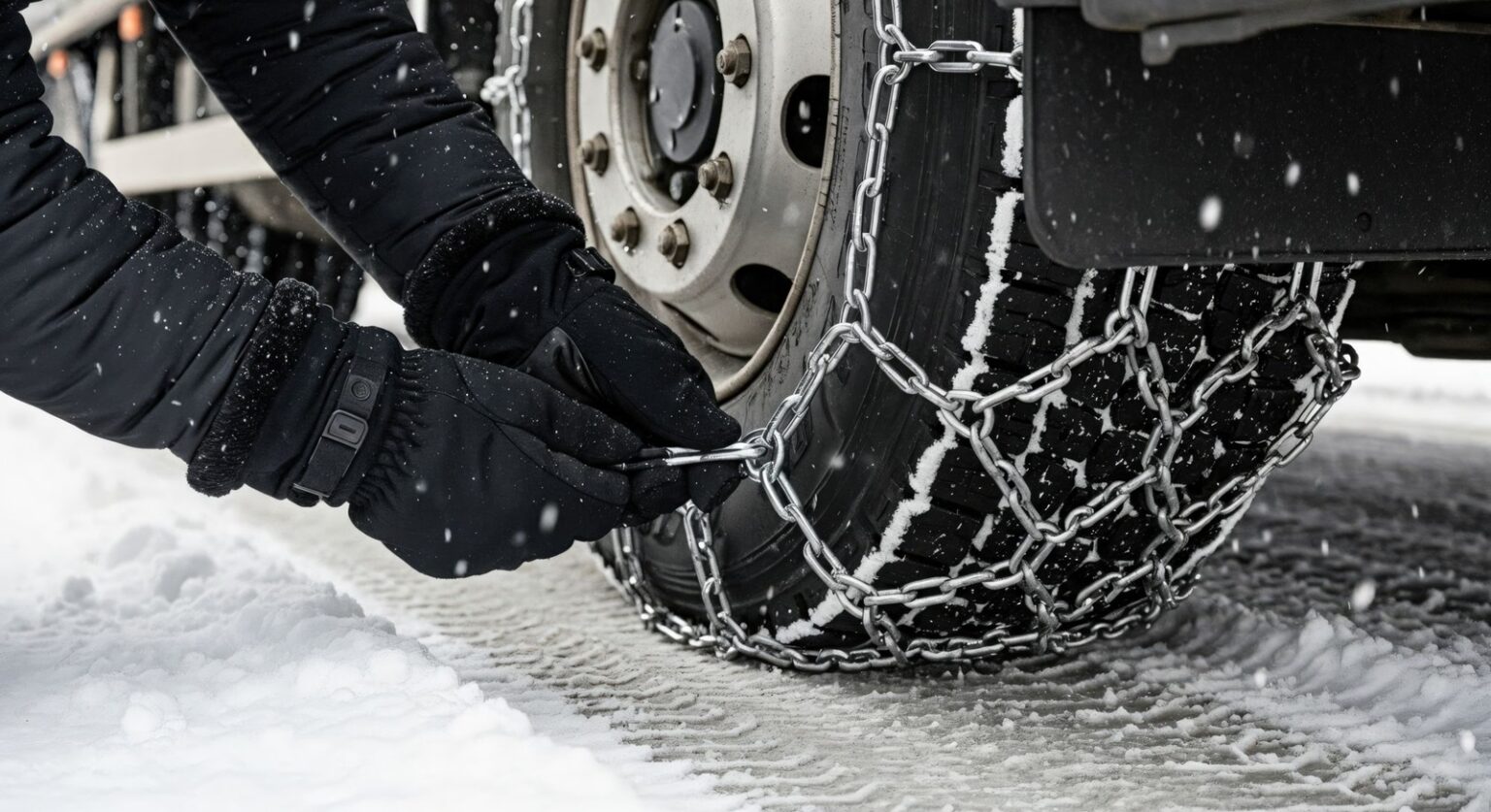
Snow chains, also commonly referred to as tire chains for snow or snow tire chains, are metal devices that are fitted around the circumference of a vehicle’s tires. When the vehicle moves, these chains make direct contact with the road surface, biting into ice and compacted snow to generate traction that no rubber compound alone can match.
Modern snow chains for tires are engineered with hardened steel links, cross-chains, and side-chains to distribute a truck’s enormous weight while simultaneously gripping the road. For truckers hauling freight across mountain ranges, snow-covered plains, or icy urban delivery routes, snow chains for winter tires are not merely an accessory; they are a critical piece of safety equipment.
There are various types of snow chains available today, including ladder-style, diamond-pattern, and cam-style chains. Each design offers distinct advantages depending on the terrain and vehicle type, but all serve the same fundamental purpose: providing maximum grip when rubber alone cannot.
The Core Reason Truckers Prefer Snow Chains Over Winter Tires
1. Superior Traction on Extreme Surfaces
The number one reason professional truckers prefer snow chains for winter tires over standalone winter tires is raw traction performance. Winter tires are manufactured from a soft rubber compound that remains flexible in cold temperatures, improving grip on lightly snow-covered or cold-dry roads. However, they were never designed to handle black ice, heavily packed snow on steep mountain grades, or the sustained demands of hauling tens of thousands of pounds of freight.
Snow chains for winter tires, on the other hand, physically puncture and grip ice and snow rather than merely resting on top of it. The metal links create anchor points that hold the tire in place regardless of the surface condition beneath. For a loaded semi-truck navigating a 6% downgrade in a mountain snowstorm, snow tire chains can mean the difference between a safe descent and a catastrophic runaway situation.
2. Regulatory and Legal Requirements
Across much of the United States, Canada, and Europe, government and transportation authorities legally mandate the use of tire chains for snow in specific conditions and on designated routes. In states like California, Colorado, Washington, and Oregon, chain control laws require commercial vehicles to mount snow chains for winter tires when conditions deteriorate. Failure to comply can result in heavy fines, being turned back at control points, or losing a commercial driving license.
Winter tires alone, regardless of their quality, do not satisfy chain control requirements. Regulatory agencies require that snow chains for car and commercial truck applications be installed on drive axles and, in some cases, on steer axles as well. This legal reality makes snow chains for winter tires a non-negotiable item in a trucker’s toolkit, independent of any personal preference.
3. Load-Bearing Capacity
Commercial trucks regularly haul payloads exceeding 40,000 to 80,000 pounds. Winter tires were engineered for passenger vehicles and light commercial use. Even the most robust winter-grade commercial truck tires cannot generate the friction necessary to safely control a fully loaded big rig on ice at those weights.
Snow chains for winter tires are purpose-built to handle the staggering loads associated with commercial freight. The cross-chain links spread the vehicle’s weight across a wider contact patch, reducing per-square-inch road pressure while simultaneously digging into the surface. This combination of weight distribution and penetration traction is something no winter tire, regardless of price or technology, can replicate.
Comparing Snow Chains vs. Winter Tires: A Detailed Look
Traction Performance
In traction tests conducted on packed snow and ice, snow tire chains consistently outperform winter tires. Stopping distances with snow chains for winter tires are significantly shorter than those achieved with winter tires alone. For a loaded truck travelling at highway speeds, a shorter stopping distance is not just a comfort; it is a lifesaving advantage.
Durability and Reusability
Quality tire chains for snow are built to last multiple seasons when properly maintained and stored. A set of heavy-duty snow chains for a commercial truck represents a one-time investment that can be used for years, whereas winter tires must be replaced once their tread depth reaches a certain point, typically after three to five seasons of use. From a purely economic standpoint, snow chains for winter tires offer a significantly better return on investment for trucking fleets.
Installation and Convenience
One common criticism of snow chains is that they require more time and effort to install than simply driving on pre-mounted winter tires. However, experienced truckers who regularly operate in winter conditions become highly proficient at installing snow chains quickly and correctly. Many modern snow chains for tires feature auto-tensioning systems and simplified installation mechanisms, reducing setup time considerably.
It is also worth noting that truckers are legally required to stop and install chains at designated chain-up areas. This regulated pause in the journey actually benefits safety, ensuring that vehicles are properly equipped before entering the most hazardous road segments.
Cost Considerations
A full set of premium winter tires for a commercial truck represents a substantial financial investment, often several thousand dollars, and must still be removed and stored during warmer months. By contrast, a robust set of snow chains for winter tires costs a fraction of that amount and can be stored compactly in the truck’s compartment. For trucking companies managing large fleets, the long-term cost savings from snow chains over winter tires can be enormous.
When Truckers Rely on Snow Chains for Winter Tires
Mountain Pass Driving
Routes like the Donner Pass in California, Snoqualmie Pass in Washington, or the Rockies in Colorado are legendary for their brutal winter conditions. On these stretches, snow chains for winter tires are mandatory by law and essential for safe operation. Winter tires alone cannot provide the grip needed to safely navigate switchbacks covered in ice and compacted snow under a full payload.
Urban Delivery in Winter Storms
Even in urban environments, truckers delivering during heavy snowfall encounter conditions that exceed the capabilities of winter tires. Tire chains for snow allow delivery trucks to operate reliably on icy city streets, ensuring that supply chains remain operational even during severe winter weather.
Extended Winter Hauls
Long-haul truckers driving through regions with prolonged winters, including the Northern United States, Canada, and Scandinavia, rely on snow chains as a routine part of their equipment checklist. These drivers understand that road conditions can change rapidly, and having snow chains readily available is a professional responsibility.
The Role of Tools in Trucker Winter Preparedness
Professional truck drivers treat their winter driving equipment with the same level of care and respect as any other critical tool in their arsenal. In the trucking preparedness Tools category, snow chains rank among the most important items a trucker can carry. Just as a driver would never operate without properly functioning brakes or lighting systems, a responsible trucker operating in winter conditions would never venture onto icy or snow-covered roads without a reliable set of snow chains for winter tires on board.
Proper installation tools, tensioning devices, and chain repair kits are standard components of a well-prepared trucker’s winter toolkit. The ability to install, adjust, and repair snow chains quickly and correctly is a core competency for professional drivers working in cold climates.
Types of Snow Chains for Tires: What Truckers Use
Ladder-Style Chains
The traditional ladder-style configuration features parallel cross-chains connected by side-chains, creating a ladder-like pattern. These snow chains for winter tires are highly effective in deep snow and are among the most common types used in commercial trucking. Their simple construction makes them easy to repair in the field.
Diamond-Pattern Chains
Diamond-pattern snow tire chains feature links arranged in a diamond configuration across the tire’s contact surface. This design provides a smoother ride than ladder chains and delivers consistent traction across a wider variety of winter surfaces, including both packed snow and ice. Many truckers prefer diamond-pattern snow chains for car and commercial truck applications when driving on paved winter roads.
Cam-Lock Chains
Cam-lock chains use a self-tensioning mechanism that automatically adjusts chain tension as the tire heats up and expands during operation. These snow chains for winter tires are popular among commercial drivers who need quick installation and reliable performance without constant manual adjustment.
Cable Chains
Cable-based snow chains for tires are lighter and less intrusive than traditional steel link chains. While they are more common in passenger vehicle applications, such as snow chains for car use, some commercial operators use them in light-duty applications where traction needs are moderate.
Safety and Compliance: What Every Trucker Needs to Know
Installing snow chains for winter tires incorrectly can be as dangerous as not installing them at all. Improperly fitted chains can break loose, damaging the vehicle, the cargo, and potentially injuring other road users. Professional drivers are trained to inspect their snow chains before and after installation, checking for broken links, proper tension, and correct positioning on the drive axle tires.
Most transportation authorities recommend installing snow tire chains on the rear drive axles of commercial trucks, as these are the wheels primarily responsible for propulsion. In extremely severe conditions or on steep grades, chains may also be required on the steer axles. Always consulting state and regional chain control regulations before entering mountain corridors or chain-controlled zones is a professional obligation for every truck driver.
Snow Chains and Environmental Conditions: When to Use Them
Experienced truckers know that snow chains for winter tires are not a one-size-fits-all solution. These chains are intended for use on snow and ice-covered roads and should be removed as soon as road conditions improve. Driving on dry or wet pavement with chains installed causes accelerated wear on both the chains and the road surface, generates uncomfortable vibration, and can damage the vehicle’s drivetrain.
The general rule of thumb is straightforward: when roads are icy or heavily snow-covered, install snow chains. When roads are clear or merely wet, remove them. This disciplined approach to chain use protects the trucker’s equipment investment while ensuring that snow chains remain effective when needed.
Future of Snow Chains: Innovation and Technology
While the basic concept behind tire chains for snow has remained largely unchanged for over a century, manufacturers continue to innovate. Modern snow chains for winter tires feature improved steel alloys that are lighter yet stronger than their predecessors, advanced link geometries that deliver superior traction and quieter operation, and ergonomic installation designs that significantly reduce setup time and effort.
Some companies have introduced automatic chain systems that can be deployed with the push of a button from inside the truck cab. This innovation is particularly valuable in severe weather conditions, where stopping to install chains manually poses a safety risk. These systems, while expensive, are increasingly found in commercial trucking fleets operating in consistently harsh winter environments.
Why Snow Chains Remain the Trucker’s First Choice
The debate between snow chains for winter tires and winter tires alone has a clear winner in the world of commercial trucking. Snow chains consistently outperform winter tires on the metrics that matter most to professional drivers: raw traction on ice and compacted snow, regulatory compliance, load-bearing capacity, cost efficiency, and reusability.
Winter tires are an excellent solution for passenger vehicles operating in moderate cold-weather conditions. But for truckers hauling heavy freight across mountain passes, icy highways, and snow-covered delivery routes, snow chains for winter tires remain the gold standard of winter traction technology. They are not merely preferred in many jurisdictions and conditions; they are legally mandated.
Every professional trucker who takes winter driving seriously understands that snow chains are not optional equipment. They are a fundamental tool of the trade, as essential as a logbook, a CB radio, or a reliable set of brakes. When winter strikes and the road turns treacherous, there is simply no substitute for properly installed snow chains for winter tires.
This article is intended for informational and educational purposes for professional truck drivers, fleet managers, and winter road safety enthusiasts.