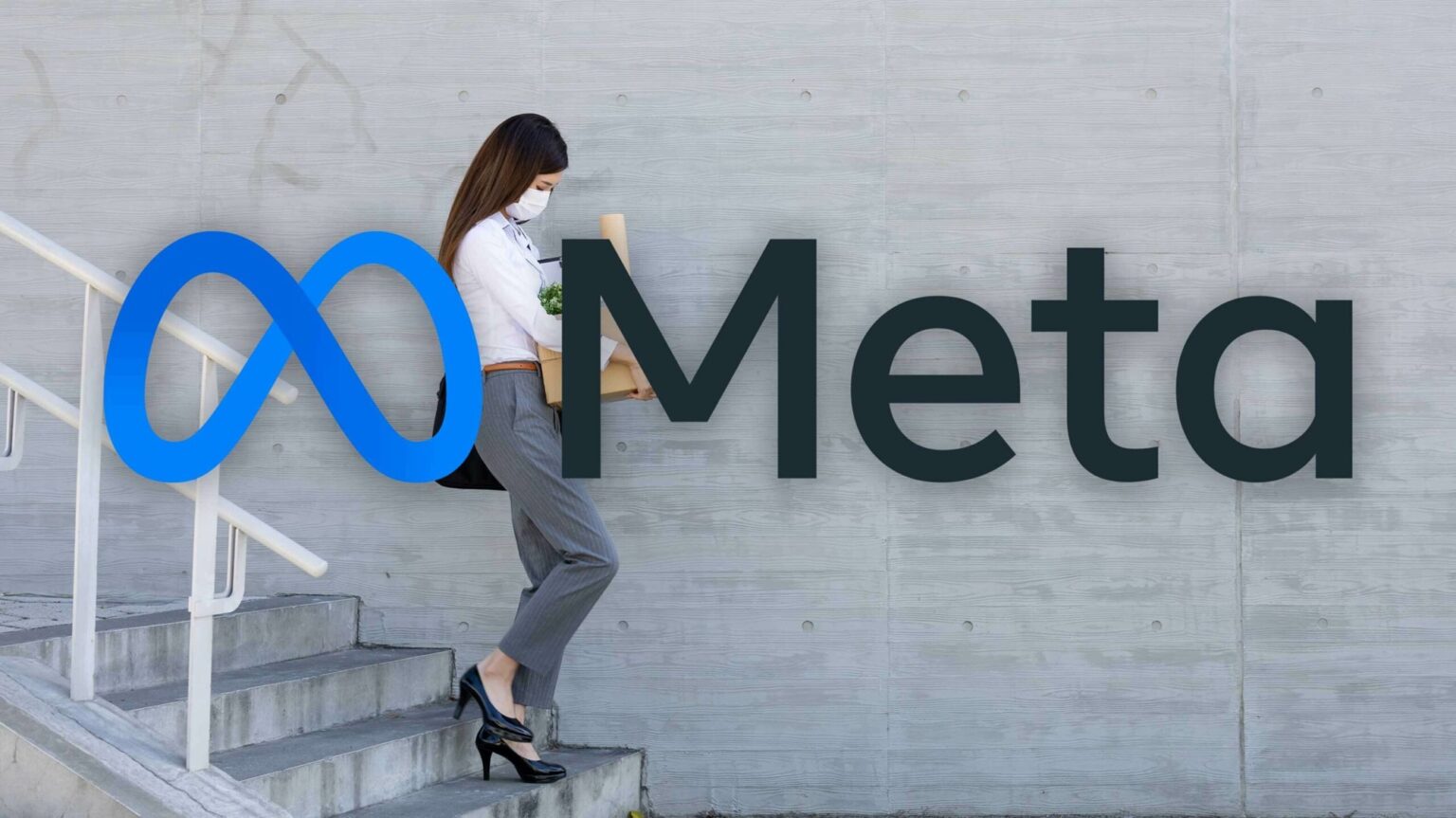

Meta Announces 8,000 Layoffs as part of a sweeping restructuring effort that reflects broader changes across the global technology sector. The announcement, made from San Francisco, highlights the company’s plan to reduce its workforce by approximately 10%, impacting around 8,000 employees, while simultaneously accelerating its spending on artificial intelligence. This move underscores a growing trend among major tech firms that are reshaping their operations to prioritize efficiency and automation in an AI-driven future.
The layoffs are scheduled to take effect on May 20 and will also include the closure of roughly 6,000 open positions that had not yet been filled. According to internal communications from the company’s leadership, the decision is part of a broader initiative to streamline operations and reallocate resources toward strategic investments. Executives emphasized that the restructuring is necessary to maintain competitiveness in an increasingly AI-centric market, where speed, scalability, and innovation are critical.
At the heart of this transformation is Meta’s aggressive push into artificial intelligence. The company has significantly increased its capital expenditures, spending $72.2 billion in 2025 on infrastructure, including data centers and advanced computing systems. That figure is projected to rise sharply to at least $115 billion in 2026, signaling a long-term commitment to building AI capabilities. These investments are aimed at enhancing everything from machine learning models to next-generation digital experiences, positioning the company at the forefront of technological evolution.
In addition to infrastructure spending, Meta has been actively acquiring AI startups and recruiting top-tier talent to strengthen its research and development efforts. The company’s superintelligence lab has become a focal point of innovation, competing with other leading firms in the race to develop advanced AI systems. This strategic shift highlights a clear prioritization of future growth areas over traditional operational structures, even at the cost of workforce reductions.
The broader tech industry has been experiencing a similar wave of layoffs, with companies citing artificial intelligence as a key driver of efficiency and a reduction in the need for large teams. Organizations are increasingly adopting AI tools that can automate tasks once handled by multiple employees, leading to leaner operational models. This shift has sparked ongoing debates about the long-term impact of automation on employment, as well as the ethical responsibilities of corporations undergoing such transitions.
Meta’s leadership has acknowledged these changes, noting that AI is fundamentally altering how work is performed within the company. Projects that once required extensive teams can now be completed by smaller groups or even individuals with advanced technical expertise. This evolution is expected to continue as AI technologies become more sophisticated, further influencing hiring strategies and workforce composition.
Despite the layoffs, Meta has stated that it will provide support to affected employees. U.S.-based workers will receive severance packages that include 16 weeks of base pay, along with additional compensation based on tenure. Similar arrangements are expected for international employees, reflecting an effort to ease the transition for those impacted by the cuts.
The company’s stock declined slightly following the announcement, reflecting investor concerns about the immediate impact of the layoffs. However, many analysts view the move as a strategic realignment rather than a sign of instability. By focusing on efficiency and high-growth areas like AI, Meta aims to strengthen its long-term position in a rapidly evolving digital landscape.
This is not the first time Meta has undertaken significant workforce reductions. In previous years, the company eliminated tens of thousands of jobs as it adjusted to post-pandemic realities and shifting user behavior. More recently, it targeted underperforming roles while continuing to plan to refill critical positions. The current layoffs, however, represent a more decisive pivot toward a future shaped by artificial intelligence.
From an MTM perspective, the restructuring can be seen as a calculated move to optimize operational efficiency while maximizing returns on technological investment. As companies across industries continue to adapt to the rise of AI, Meta’s actions may serve as a bellwether for how organizations balance innovation with workforce management.
Ultimately, Meta announces 8,000 Layoffs not just as a cost-cutting measure, but as part of a broader transformation that reflects the realities of a new technological era. The company’s strategy highlights the growing influence of artificial intelligence in shaping corporate priorities, redefining productivity, and reshaping the global workforce.
Meta Announces 8,000 Layoffs
Meta’s decision to announce 8,000 layoffs marks a pivotal moment not only for the company but for the broader technology industry, highlighting a core tension of the AI era: a technology that promises major gains in productivity and capability while simultaneously displacing the workers who helped create it. By acting so decisively despite the reputational and human consequences, Meta signals a fundamental shift in how such trade-offs are being evaluated.
As the layoffs take effect on May 20 and affected employees begin navigating their transitions, the industry will be watching closely. The broader questions raised about the speed of AI-driven job displacement, corporate responsibility to employees, and the limits of efficiency as a guiding value remain unresolved. Still, they are set to shape discussions about work, technology, and economic opportunity for years ahead.