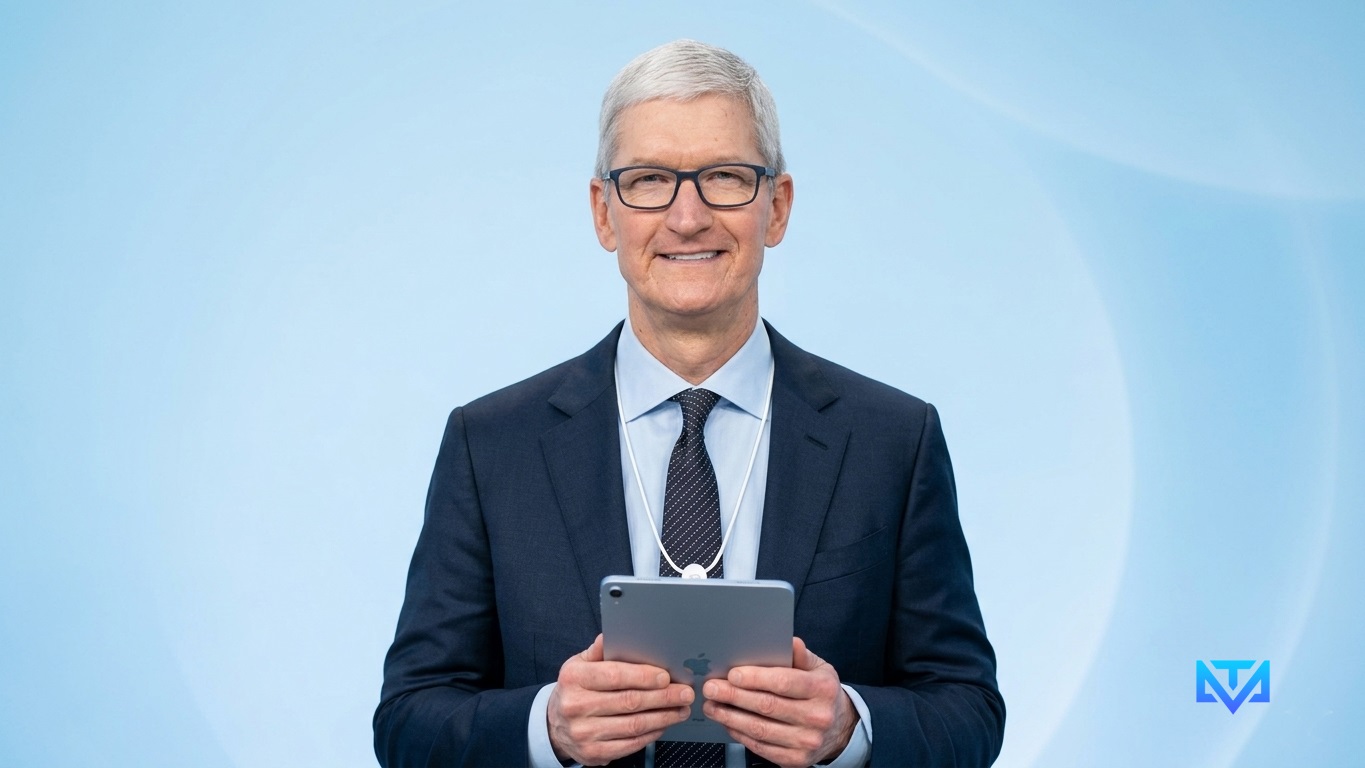

Tim Cook will be immortalized in the annals of Apple Products and Inc. as the architect of a truly golden epoch an era defined by visionary stewardship, relentless innovation, and unprecedented growth. Over the past fifteen years, he has elevated Apple to heights few could have conceived, transforming it into one of the most influential and valuable enterprises in history.
His announcement on last Monday that he will step down as CEO in September marks the closing chapter of a transformative era for the Cupertino-based titan. Under his leadership, Apple experienced remarkable expansion not only in its product portfolio but also in its ecosystem of services, redefining how technology integrates into everyday life.
Since succeeding Steve Jobs in 2011, during a period of uncertainty, Cook has guided Apple into its most prosperous and financially dominant phase. The company’s valuation soared beyond $3.6 trillion, a testament to its strategic brilliance and disciplined execution. Much like his predecessor, Cook’s legacy extends far beyond corporate success; he has profoundly influenced the global consumer technology landscape.
While Jobs ignited the revolution with groundbreaking creations like the Macintosh in 1984 and the iPhone in 2007, Cook masterfully amplified that momentum. He broadened the Apple experience, spearheading the rise of subscription-based services and diversifying the company’s mobile device lineup, thereby deepening Apple’s connection with millions worldwide.
What follows is a curated selection presented in no particular order of five of the most impactful products and services introduced during Cook’s extraordinary tenure.
1: Apple Watch
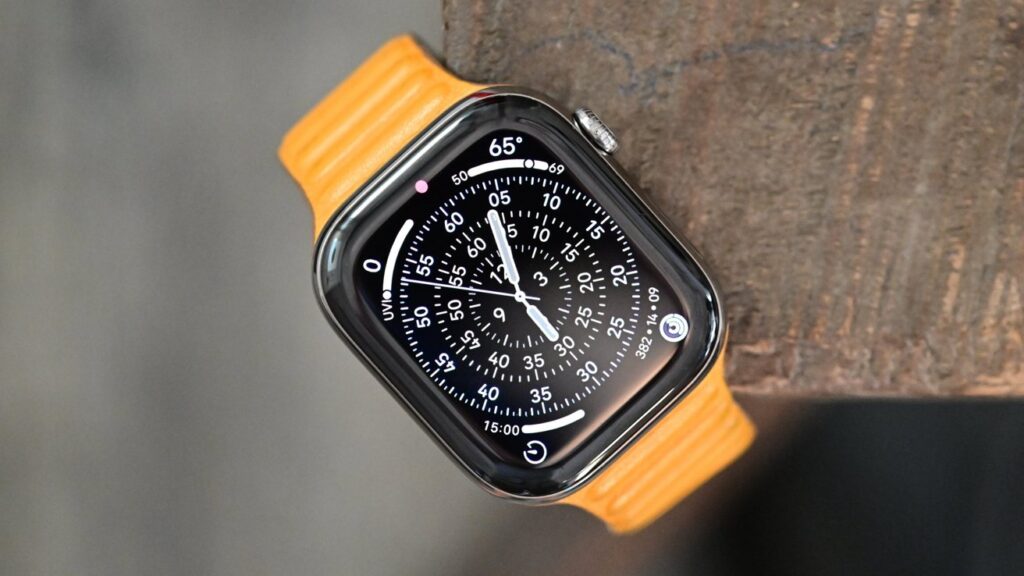
Introduced in 2014 by Tim Cook, the Apple Watch marked the company’s first entirely new product category since the era of Steve Jobs, making it a defining milestone in Apple’s post-Jobs evolution. Its launch signaled Apple’s strategic expansion beyond traditional devices like the iPhone and Mac into wearable technology, an area that had existed for years but lacked a dominant, mainstream breakthrough.
Although the smartwatch market had been developing gradually with offerings from various competitors, many industry analysts viewed the Apple Watch as the catalyst that transformed the category into a mass-market phenomenon. Apple differentiated its device by integrating health tracking, fitness features, and deep ecosystem connectivity, which helped broaden its appeal beyond tech enthusiasts to everyday consumers.
By the final quarter of 2026, the Apple Watch had firmly established itself as the market leader, and according to Counterpoint Research, Apple Watch shipments accounted for approximately 32% of global smartwatch shipments, underscoring its continued dominance and the lasting impact of Apple’s entry into the wearable technology space.
2: AirTag

The Apple AirTag is Apple’s compact Bluetooth tracking device that launched in 2021 and quickly gained widespread popularity as a simple way to keep track of everyday belongings. Roughly the size of a coin, the small white-and-silver disc uses Apple’s vast Find My network, powered by millions of nearby Apple devices, to help users locate misplaced items such as luggage, keys, wallets, bicycles, and even cars. While some people have attempted to use AirTags to track pets, Apple discourages this due to safety and reliability limitations compared to dedicated pet-tracking devices.
One of the key reasons for the AirTag’s success is its seamless integration with Apple’s ecosystem, particularly the Find My app. Through this system, users can view the real-time or last-known location of tagged items, play a sound to help locate something nearby, or use Precision Finding (on compatible iPhones) for highly accurate, direction-based tracking. The network’s crowd-sourced nature means that even if your lost item is far away, nearby Apple devices can anonymously relay its location back to you.
The popularity of AirTags has also influenced the travel industry. Many major airports and airlines now support integration with Apple’s Find My service, allowing passengers to more easily track checked luggage as it moves through complex baggage systems or if it’s delayed or misplaced during transit. This added layer of visibility has made AirTags especially appealing for frequent travelers.
Building on this success, Apple Inc. released an updated version of the AirTag earlier this year, reportedly improving battery efficiency, tracking accuracy, and privacy safeguards. These updates aim to address both user convenience and ongoing concerns about misuse, reinforcing AirTag’s position as one of the most widely used personal tracking devices on the market.
3: Vision Pro
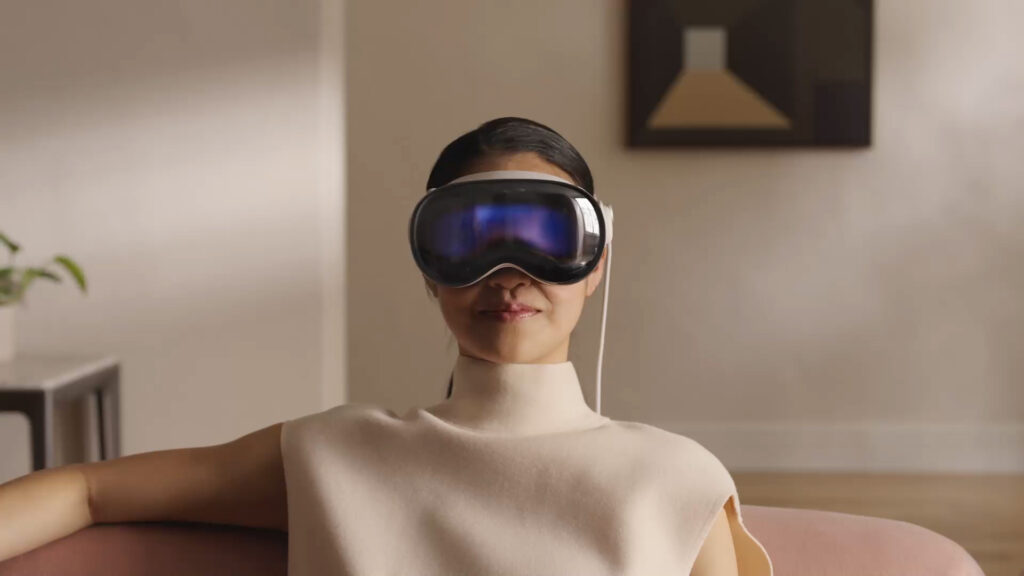
By the time Apple Vision Pro debuted in 2023, the market for virtual and augmented reality headsets had already been developing for years, with major tech companies steadily refining immersive display technology. Apple entered this space with a premium, standalone mixed-reality device that immediately stood out for its technical ambition and build quality.
Reviewing the headset for CNET, Scott Stein praised it as “the best wearable display I’ve ever put on,” highlighting its dual 4K micro-OLED screens, which deliver exceptionally sharp, vibrant visuals far beyond those of most competing devices. The headset also introduced advanced eye- and hand-tracking systems, spatial computing features, and a highly polished user interface, aiming to redefine how users interact with digital content.
However, despite its cutting-edge capabilities, the Vision Pro wasn’t without drawbacks. Stein noted that the device felt noticeably heavy during extended use and cost $3,500, placing it well out of reach for most consumers. While it represents a major leap forward in mixed-reality technology, its cost and comfort limitations highlight the challenges still facing widespread adoption.
4: Apple Music
Apple introduced its subscription-based, on-demand streaming service, Apple Music, in 2015, entering a market already largely dominated by Spotify. Before this shift, Apple had built its digital music empire through iTunes, which was the leading platform for purchasing and downloading individual songs and albums. However, the launch of Apple Music marked a major turning point in the industry, accelerating the shift from ownership to access, where users stream content rather than buy it.
Apple leveraged its massive ecosystem of devices and existing user base to gain traction quickly. Within just one year of its debut, Apple Music had already reached roughly half the subscriber count of Spotify, an impressive feat given Spotify’s early lead in streaming. Over time, Apple Music continued to expand globally, introducing curated playlists, exclusive artist releases, live radio features like Beats 1, and seamless integration across Apple devices.
Today, with a catalog of over 100 million songs, Apple Music ranks as the second-largest music streaming platform in the world, behind Spotify. Its growth reflects not only Apple’s strong brand influence but also the broader shift in consumer behavior toward subscription-based digital services.
5: AirPods
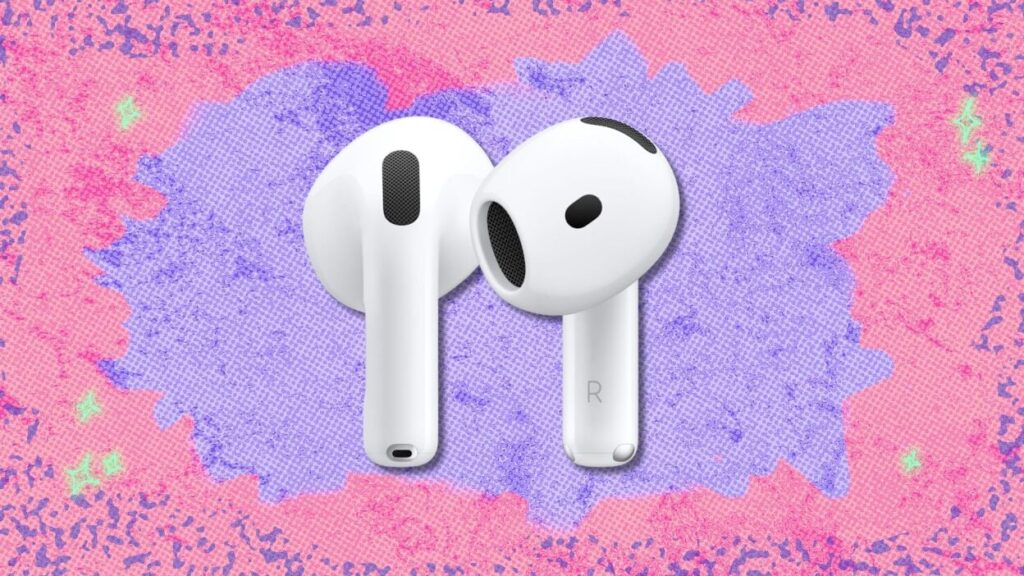
When Apple introduced the first AirPods in 2016, the reaction was far from universally positive. Many critics mocked their design, calling them “weird-looking earbuds,” and social media users drew unflattering comparisons to everything from cigarette butts to tampons. Despite the initial ridicule, Apple’s broader strategy soon became clear. By removing the traditional headphone jack from newer iPhone models, the company effectively nudged users toward wireless audio solutions, making Bluetooth earbuds not just convenient but increasingly necessary.
As users adapted, perceptions began to shift. Reviewers, including those at MTM, praised the AirPods for their seamless connectivity, reliable performance, and integration within Apple’s ecosystem. Their ease of use, such as automatic pairing and quick device switching, helped set them apart from competitors. Within a year of their release, the market response was undeniable: according to NPD Group, AirPods dominated the truly wireless headphone segment in 2017, capturing about 85% of total revenue. What started as a widely mocked product quickly became a defining success, reshaping both consumer expectations and the direction of the wireless audio industry.